
Learning New Sight
2015: The First Moderately Sized Year

Thoughts from a beginning birdwatcher:
“I’ve been contemplating how funny it is to learn a new skill. Birdwatching is like learning new sight: you begin by learning to notice things—just the movement in the trees, the shapes in the water, the shadow passing overhead. Then, when you can isolate the bird among the foliage, you start to match specific birds with colors, movements, behaviors, environments. Categories of birds become familiar almost by accident, until what made no sense at all is now like a language you speak. It’s like learning to eat new types of food and eventually beginning to crave them.”
I wrote that on February 9, 2015, six weeks into our first moderately sized year. The first time Tyler and I decided to travel across the continent and keep track of all the birds we saw. Who were we then? What was the impetus, and how did we do?
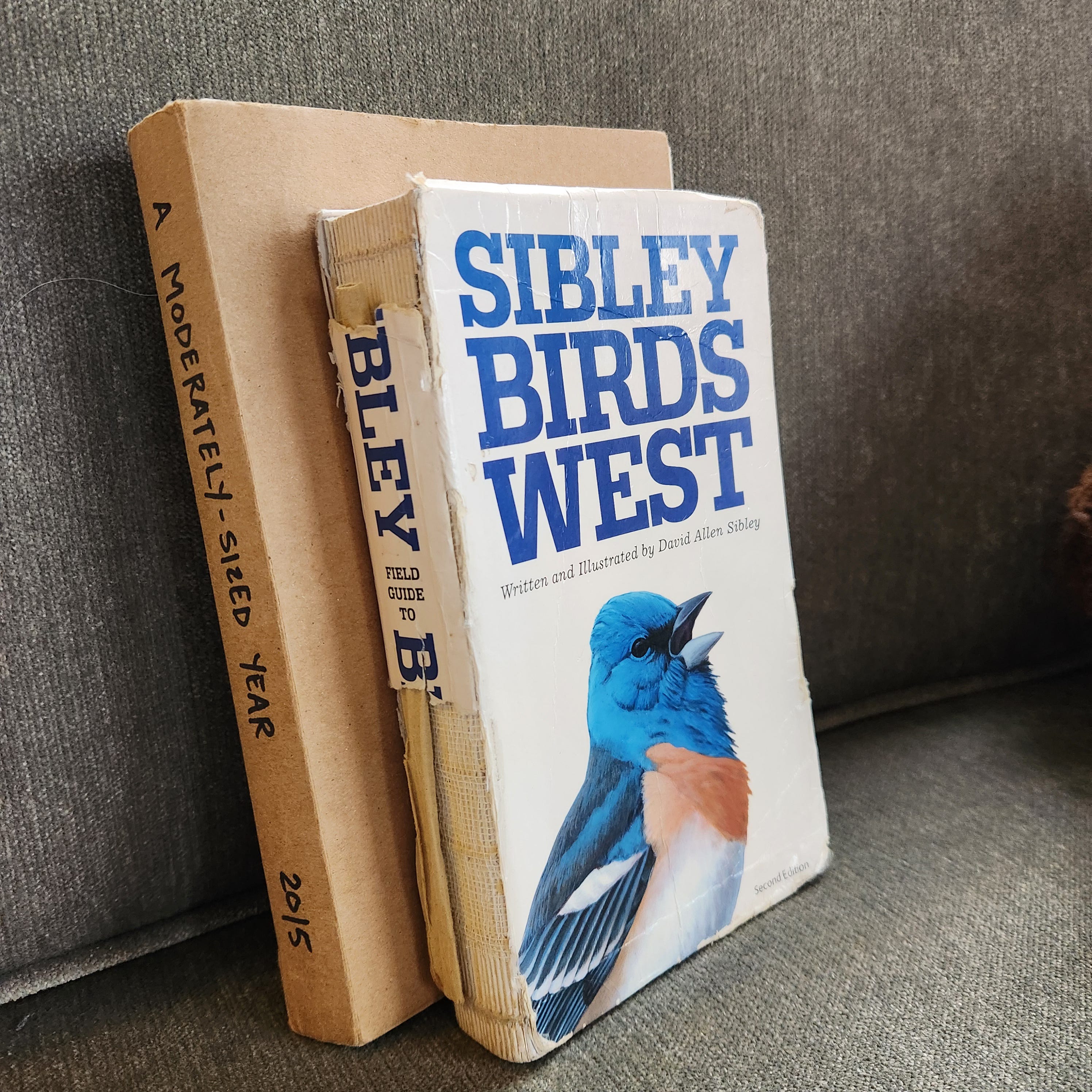
Sometime during the fall of 2014, Tyler and I read Kenn Kaufman’s Kingbird Highway, a coming-of-age chronicle documenting his romantic 1973 road trip hitch-hiking across the country in search of birds. We read the book with fascination, though the narrative was nerdy and dense with the names of birds and birders we knew nothing about. But the idea of traveling the continent with the express purpose of seeing not just a few but very nearly all the birds in the guidebook was pretty intoxicating. We developed a bit of jealousy for both the ease with which Kaufman took to the road (thumb out, no fear, on the open highways of 1970’s America) and with how well he recalled each bird encounter in detail: not just a sketchy list of birds seen, but elaborate descriptions of where and when a bird revealed itself. Sounds, behaviors, discreet identification marks, lessons learned from fellow birders. Kaufman’s sharp memory impressed us even more than the birds he saw.
Tyler and I really were still beginning birdwatchers back then. We were already hooked on birding enough to develop the habit of traveling with binoculars—and we had carried them far enough for me to lose a pair on the edge of the Sahara in southern Morocco—but we were still barely keeping lists of what we saw. Probably because you just don’t need a list to remember exclamation-worthy sightings like a Greater Flamingo or a Bald Ibis.
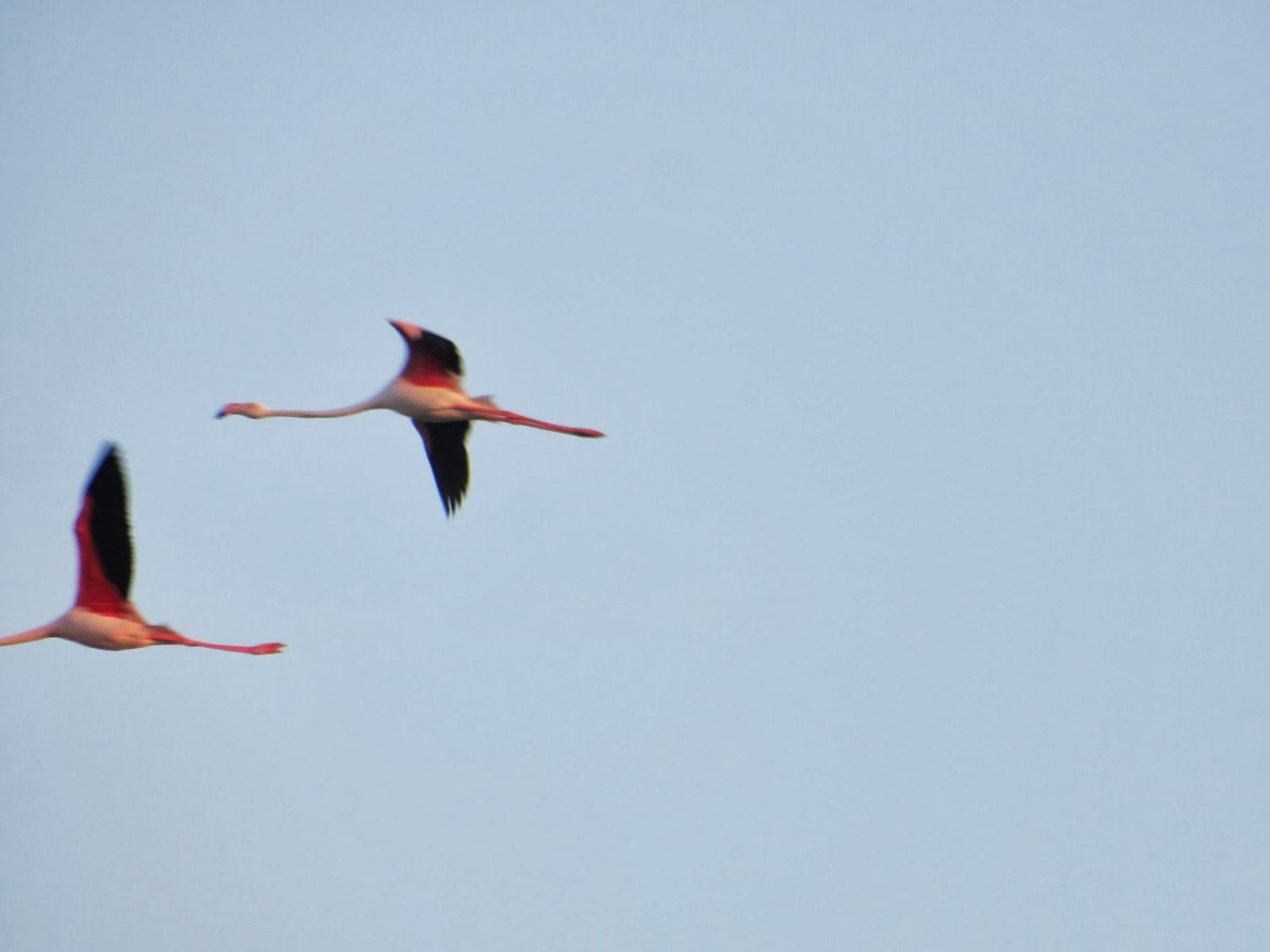
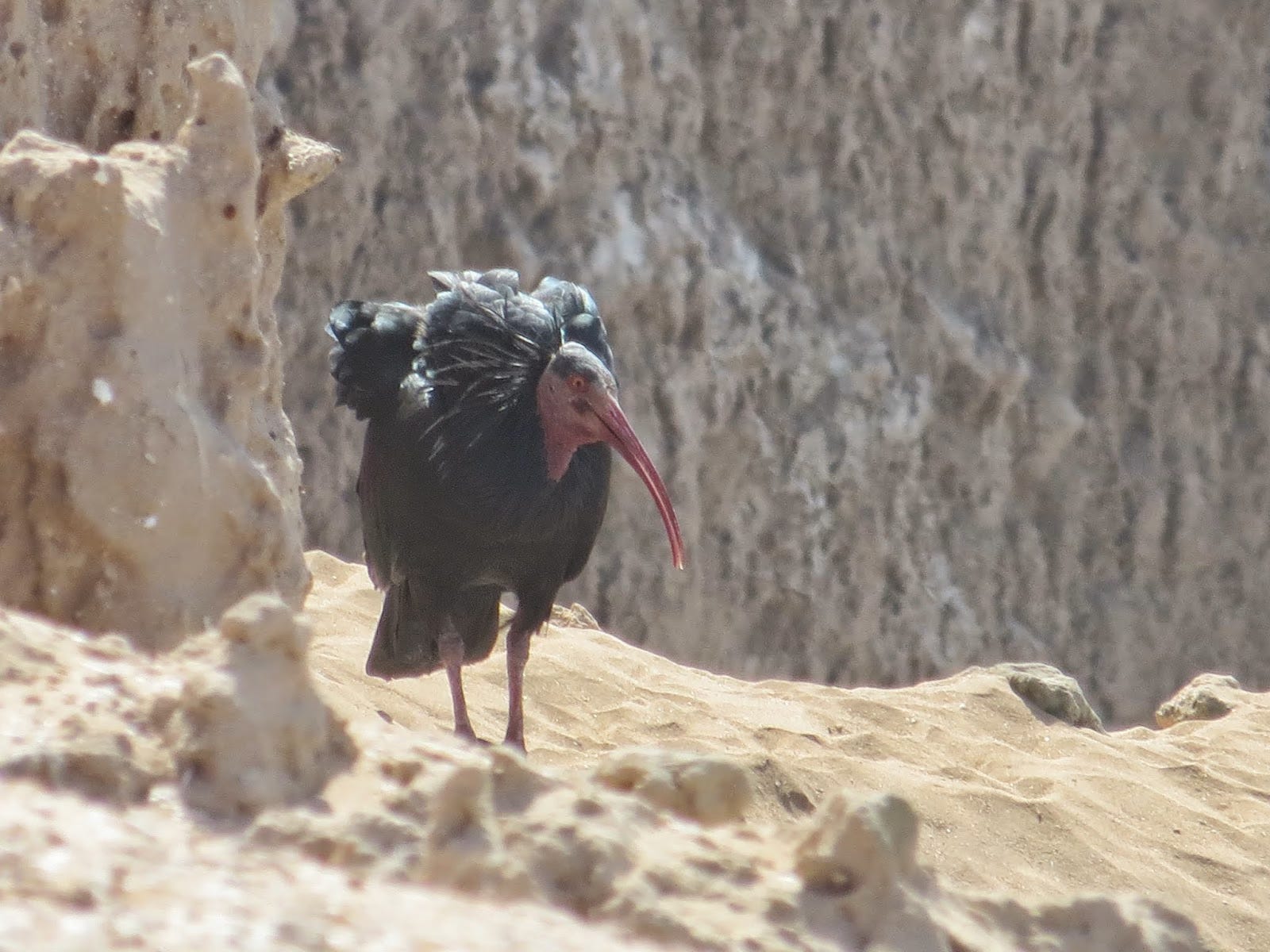
Returning to North America from an 18-month stint on foreign shores, we were turning our attention to the backyard birds of our homeland for almost the first time. Or it might as well have been the first time, anyway:
“That I saw a Bufflehead sometime when we were last in San Diego is a certainty. That I have no memory of doing so is astounding. But this is also teaching me that learning and grasping a new thing takes both attention and care and time and repetition. And since you only get so much time, you might as well dive into that which you care to learn about.”
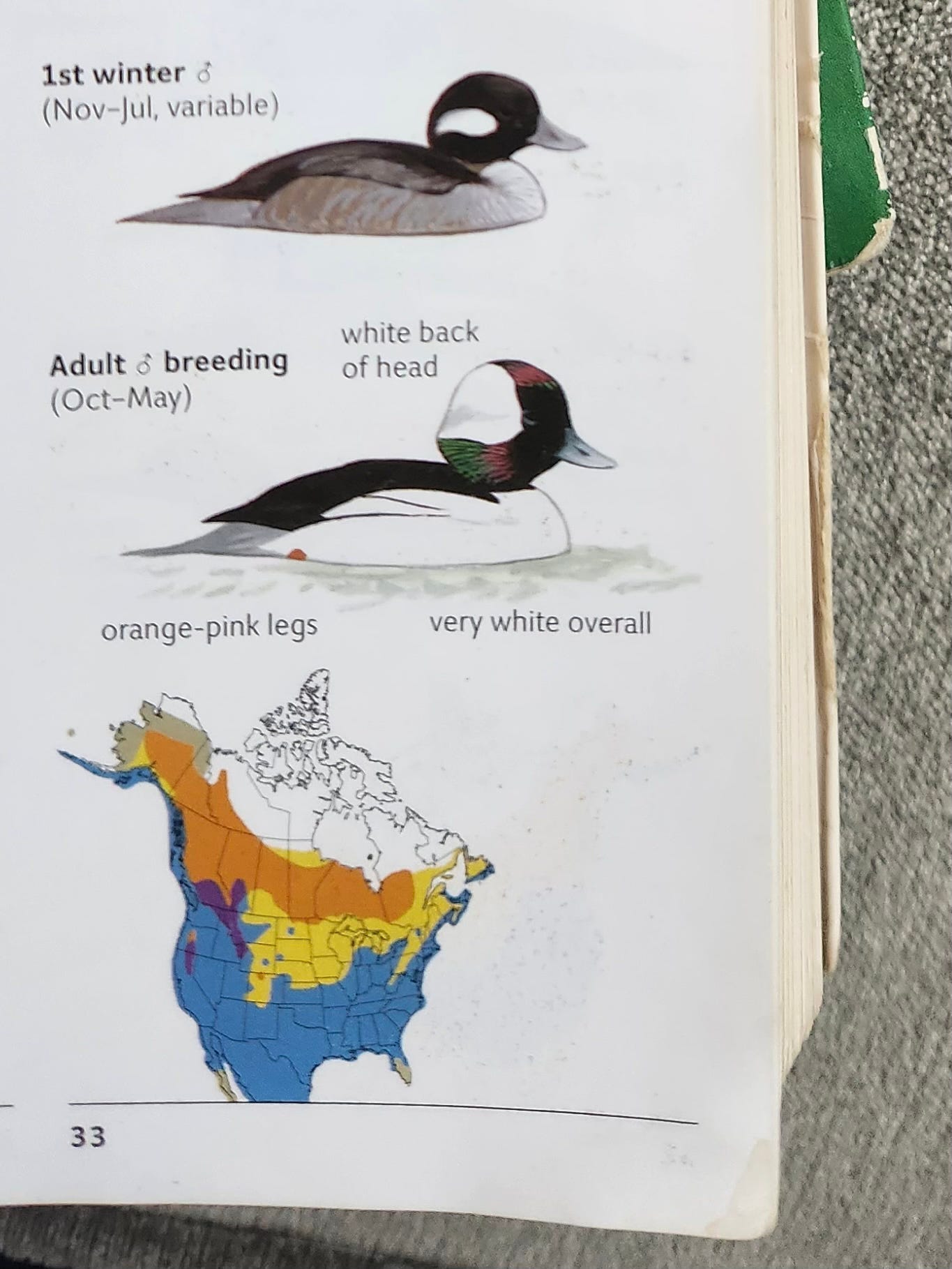
We resolved, then, to take the idea of the Big Year, divorce it from competition and use the challenge to help us hone our birding skills so that we could not only see and identify new birds, but recognize and begin to really know all the most common birds. We already had a road trip planned for the spring of 2015, driving cross-continent to visit my family in the east and move to Montreal, so we decided the time to get started was right away, at the start of the calendar year. And, as we would later repeat in 2024, we began our birding in Tyler’s old stomping grounds of San Diego.
January 1, 2015:
“Tyler planned our itinerary for the day, which dawned cool but clear, eventually warming up a lot at the coast. We had to drive all the way home from our first stop in the canyon off 52 because I forgot my binoculars (to begin the day right!). But once we were all in a piece, we saw a lot of things exciting to notice. The Wrentit is a new species for our life list! He was flitting around in the bushes, flicking his tail. Eventually, we saw several, and suspect we have heard him before without spotting him.”
January 2, 2015, Lake Poway Park:
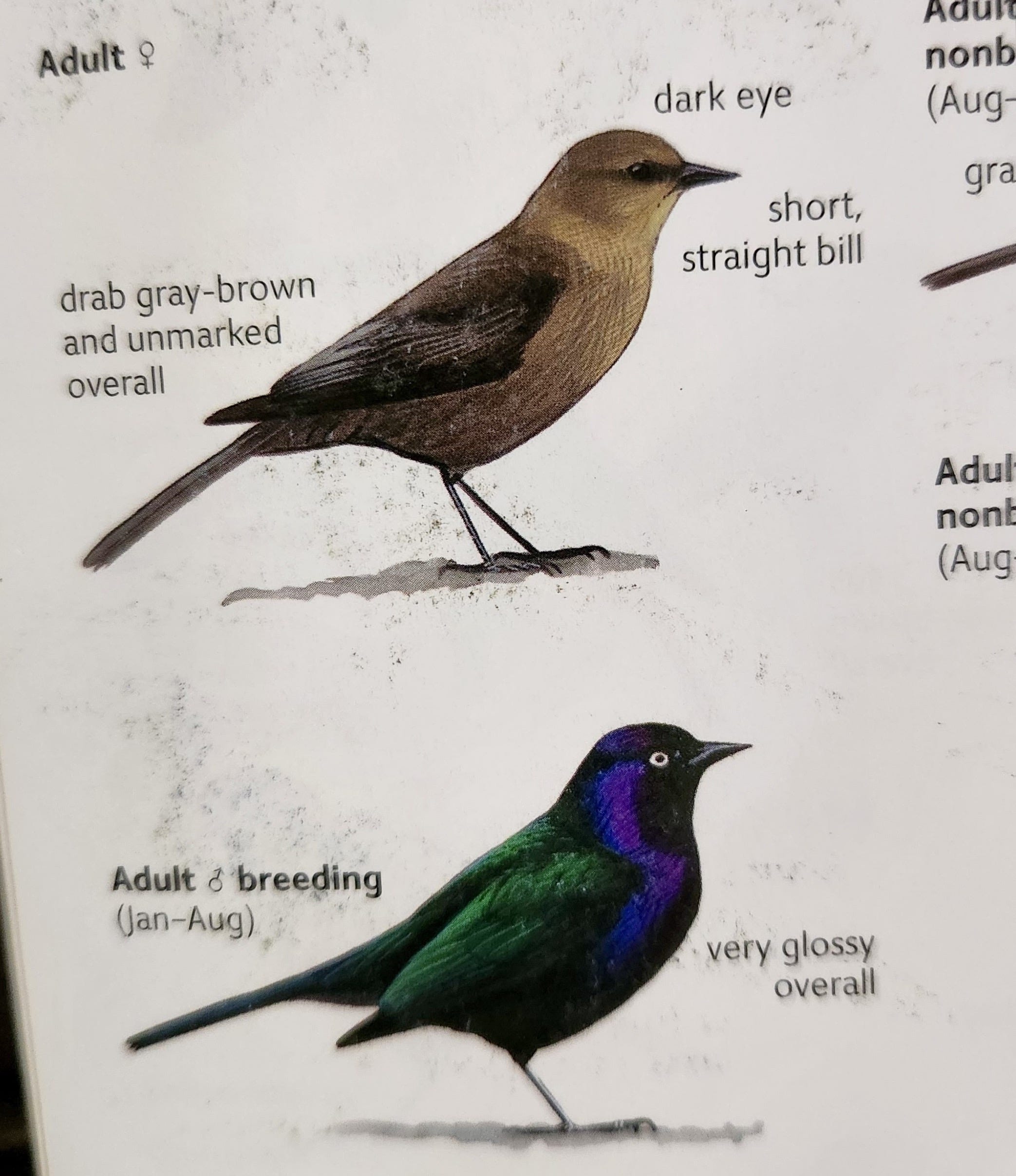
“We saw a ton of Coots poking around the grass for food, and Brewer’s Blackbirds hopping among them. Tyler taught me to look for their yellow eye to identify them. We heard a beautiful birdsong in a tree, and then spotted a House Finch—lovely! I don’t remember hearing that before, it was so pretty.”
January 4, 2015, Felicita County Park:
“Spotted several birds right from the parking lot, giving Tyler one of those anxious moments where he can’t decide what to look at. The Chipping Sparrows were bustling around under a young, bare-branched tree—I think this is a new life bird. We heard so many weird bird calls and one turned out to be a Spotted Towhee hidden under a thick bush. Another surprise was the pretty call of the Oat Titmouse, who we later spotted heading in and out of its little knothole in an oak tree.”
These brief passages from those early days reveal to me that in many ways, my conscious memory has not been improved by the dedication I made to these notes. I do remember our first Wrentit distinctly, and can picture the bush it was in, most probably because the anxiety and remorse I felt over leaving my binoculars at home burned that moment into me with the potent engraving of shame. But the others are all just some birds I guess I saw, only brought back in these descriptions and not because I actually remember those mornings of early January 2015.
Except. And yet!
Now, a decade on, when I read the name Brewer’s Blackbird, I picture a specific and accurately-rendered bird in my head immediately. A split second later as I proceed to the next sentence and read “Tyler taught me to look for their yellow eye,” I nod with knowing recognition. I’ve seen the yellow eye in my mind, because I know a Brewer’s Blackbird when I see one. Perhaps it is impossible to hold on to all the moments we’ve lived through, even foolish to try; but what we build by honing our attention is a habit of being that serves the moments to come.
I also love the patterns those early days set up, with the repeated themes of Tyler’s well-intentioned planning and our humbling attempts to decipher the language of birdsong. I record repeatedly how often Tyler is to thank for our good fortune to be somewhere at the right time, to know what we were seeing, to even have a grasp of the possibilities. He did all the planning, all the book reading, all the careful combing of field guides and what I still just call “the internet,” but probably mean eBird. I showed up, navigated from a paper map, and wrote the notes. But, as we already know, I didn’t always remember even the basic tools and I definitely wasn’t always helpful.
January 10, 2015, Tijuana Bird and Butterfly Garden:
“Birdwatching at its best is such a good way to be present, but sometimes it flips on me, and it feels like such a fuss: trying to crane my neck, focus through obstacles, catch the right light, step out of the way of someone else’s path without startling the object of scrutiny. And that bird does not give one shit about me. Sometimes I feel like throwing in the towel on the whole thing.”
Yet I’m still at it months and months and the other side of a continent later. This is from an undated entry in late May, in Damariscotta, Maine:
“We went out optimistically this morning and Nature about tore us a new one. The first half of our walk was fine, but virtually birdless—we have had more and more trouble actually spotting birds in the trees, even when we can hear them. The foliage is so thick and the wind here really rules the landscape. Anyway, we pressed on with an ever-growing cloud of mosquitoes pursuing us until finally the faint brushing of spider webs on the face and bug bites and brushy sticks was driving us mad, and then shit really hit the fan and we were hiking through some damn bog and my canvas shoes got soaked and my pants splattered with mud so that T started teasing me about the bad chicken I evidently ate… lord, what a trial! We emerged frantically into a field, slapping mosquitoes and cringing at the sun, sweating like city kids. Shoot.”
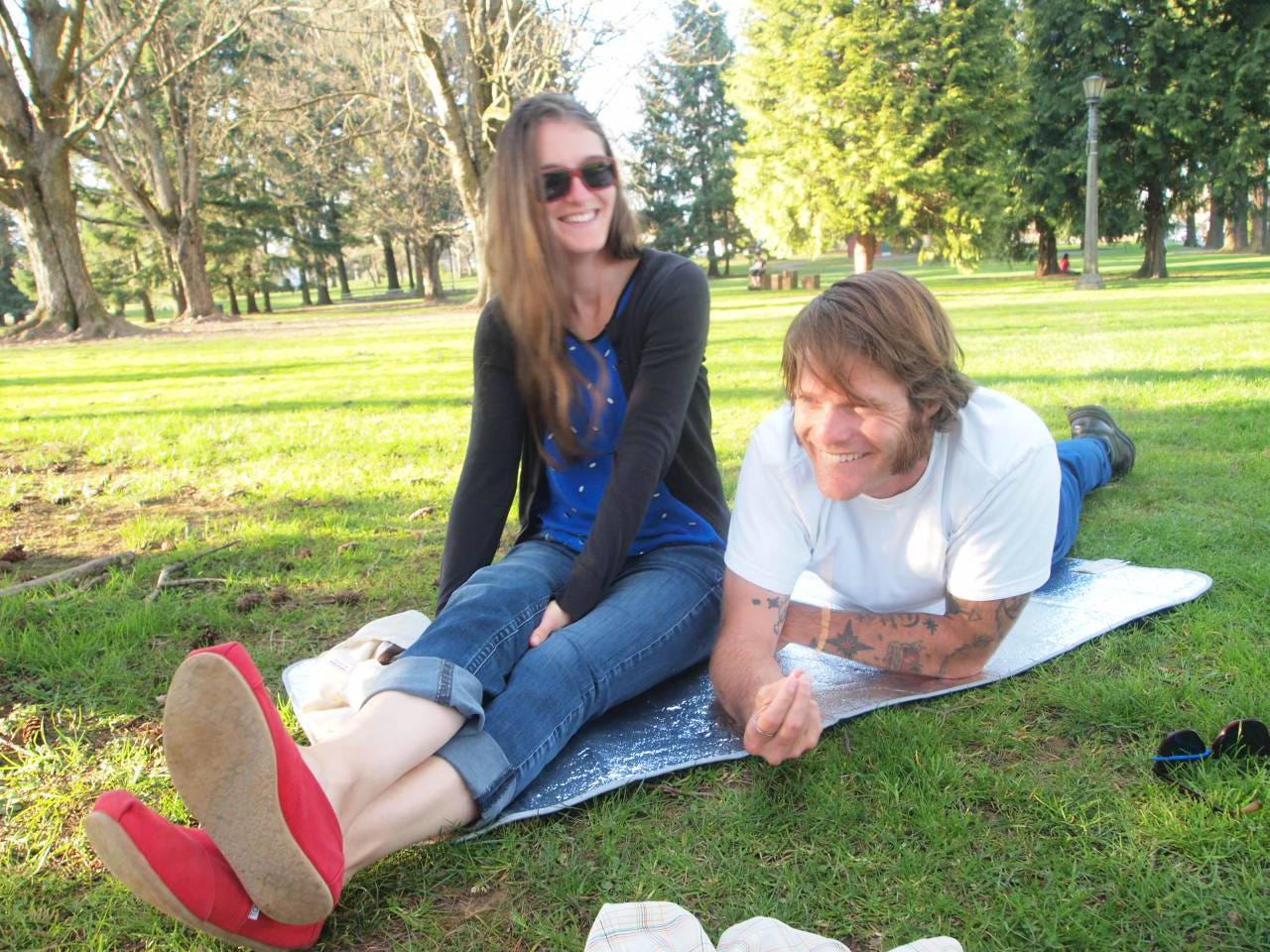
Oh, yes! The bad chicken incident! I remember the pants I was wearing: they were light teal denim skinny jeans I had bought at a thrift store in Portland, OR and vainly relished wearing because they were labeled a size smaller than I usually wore. The canvas shoes were probably Toms, because pairing the skinny jeans with hiking boots would have made my legs look like sticks. Heaven knows what shirt I had on, but it was probably so sweaty because it was also, undoubtedly, some fashion item that looked great but was meant for air-conditioned interiors. Folks, if you had told me back then on that cursed afternoon that I would eventually spend a year camping in a tent and living in the same two pairs of deeply unflattering technical pants, I would have called bullshit.
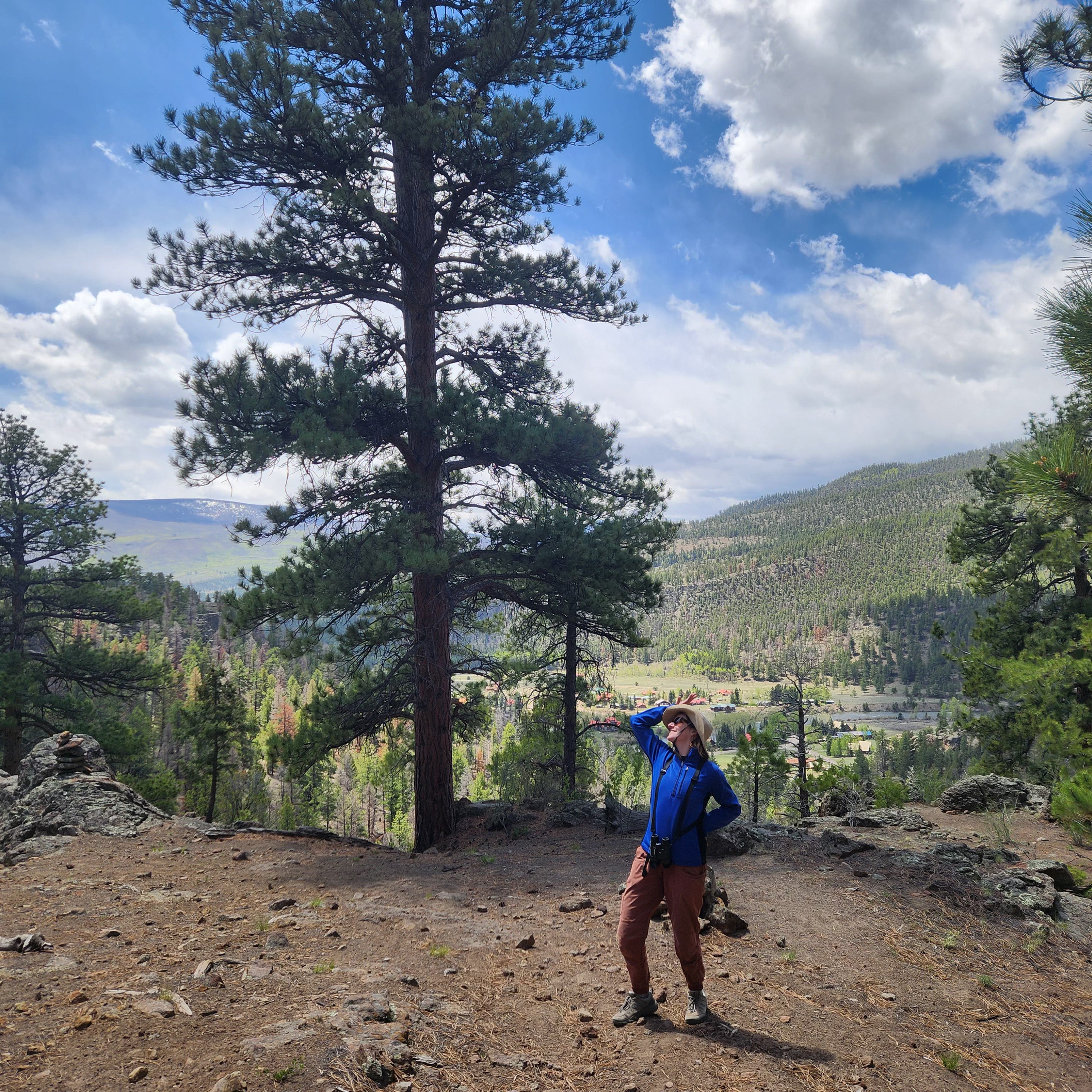
So why did I keep going? Hot/cold, dirty, frustrated, itchy with bug bites, shoulders aching from lifting the damn binoculars all day. Why keep trying?
New sight unlocks addictive pleasures, evidently. Here are several passages on sheer visual joy:
January 5, 2015, San Elijo Lagoon: “The wing patch on the female Green-winged Teal was just glowing in that crazy color-trick where it doesn’t seem like that spot is on the same plane with the whole, but actually hovering above it, like the flash off a disco ball.”
January 9, 2015, pond beside Scripps Ranch Library: “The flock of Bushtits which had invaded a couple shrubs by the parking lot was a total distraction from all else. It was like the whole bush was moving—you could hardly focus on them as one bird, but as many split-second images in a time-lapse reel all thrown together.”
April 27, 2015, CT Audubon Larsen Sanctuary: “The trees here are mostly still bare, some are budding visibly and getting that hue of potential growth like a halo around their outer crowns. But amongst all the swaying, creaking, cracking bark of the trunks, the skunk cabbage glows with that almost translucent light green that means spring.”
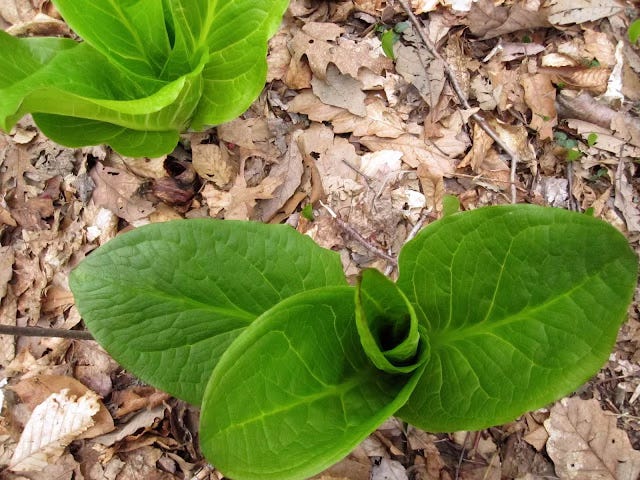
As that last passage shows, by late spring, I’ve discovered that attempting to watch birds means watching the world. I’ve discovered the solace of plants, with their patient habit of staying put long enough for you to study them. Birds not forthcoming, behind a scrum of leaves and twigs? No matter; admire the leaf. Tyler pursues butterflies and insects and frogs, and I get the wildflower books out.
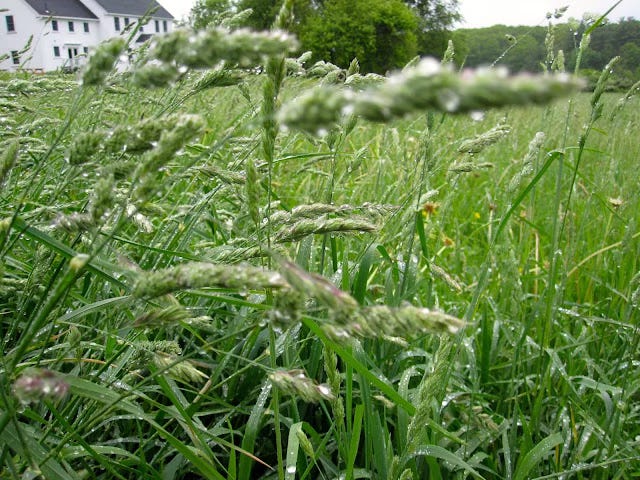
June 2, 2015, Great Salt Bay Farm: “Oh, what a world is out there! Golly, it was beautiful. This dusting of lovely mist droplets on all the individual blades of tall grass weighing down patches of the meadow so they lie flat, and wearing through spots on the petals of the Wild Geranium so you can see through them to your hand, though no bugs have chomped them through.”
And while our new sight expands outward to encompass the breadth of nature’s bounty, our memory banks are beginning to accumulate impressions. The birds that were just new patterns of light to the eye a few months ago are beginning to be specific in their behaviors. Like the moment you recognize a new friend’s footfalls on a staircase, or their particular honking sneeze, we do start to know the bird songs after all. And their shapes, their habit of flight or stride or waddle. We enjoy, at last, the particular and not only the general.
Continuing June 2:
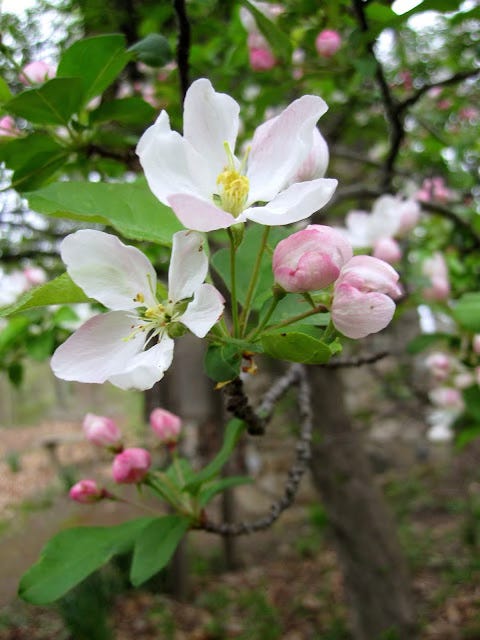
“I forgot to write the amazing behavior we saw the other day with some Waxwings. They were in an apple tree and passing back and forth a mouthful of blossom, several times until the blossom disintegrated, and then repeating this again and again, shuffling to and fro along the branch between hand-offs. I can only assume it’s mating behavior, but I was immediately struck by how similar it is to me and T passing our food back and forth all the time. It was so beautiful, that private space in the apple tree. Well, a little private. There were all the other Waxwings trying to get in on the action.”
From the general to the specific; from the cumulative layers of memory to the sharp, clear edge of the present moment. Repeatedly, in the field, I feel myself distracted by the strange pressures of every day life—chores, tasks, possessions, conversations and politics and the static of human interaction. Repeatedly, I draw my attention back to the moment and remind myself, like the hippies say, to Be Here Now. Which bird is this? Not just the species, or maybe even who cares about that—what individual bird with its individual quirks is displaying or shrinking from or squawking at me now? If I pay attention today, what can I learn that will help me see tomorrow?
“As of January 30, 2015, T and I have seen 170! different bird species. I’ve actually seen at least 171 if you count my brief glimpse of the Broad-billed Hummingbird. This, to me, feels impressive. And yet, in a short month of paying attention to the list of birds I’ve seen, I have had so many changes of opinion over how much I care to look at it quantitatively. Truly, I would rather see birds and learn about nature than count, brag, or hunt ceaselessly for rarities. No Trogon, no problem. I want that to be my motto.”
Like my forgotten first Bufflehead, I had completely erased the words of my chosen motto until rereading them recently; but the lesson at the core has been with me all along. When Tyler and I walked out of the limestone canyons of Lost Maples having gotten this close to a Golden-cheeked Warbler without seeing it, that was the ultimate test. But guess what? No Golden-cheeked, no problem: it was an amazing day, just hearing them in the pines and knowing they were out there. And the solace of the Redbud trees in bloom!
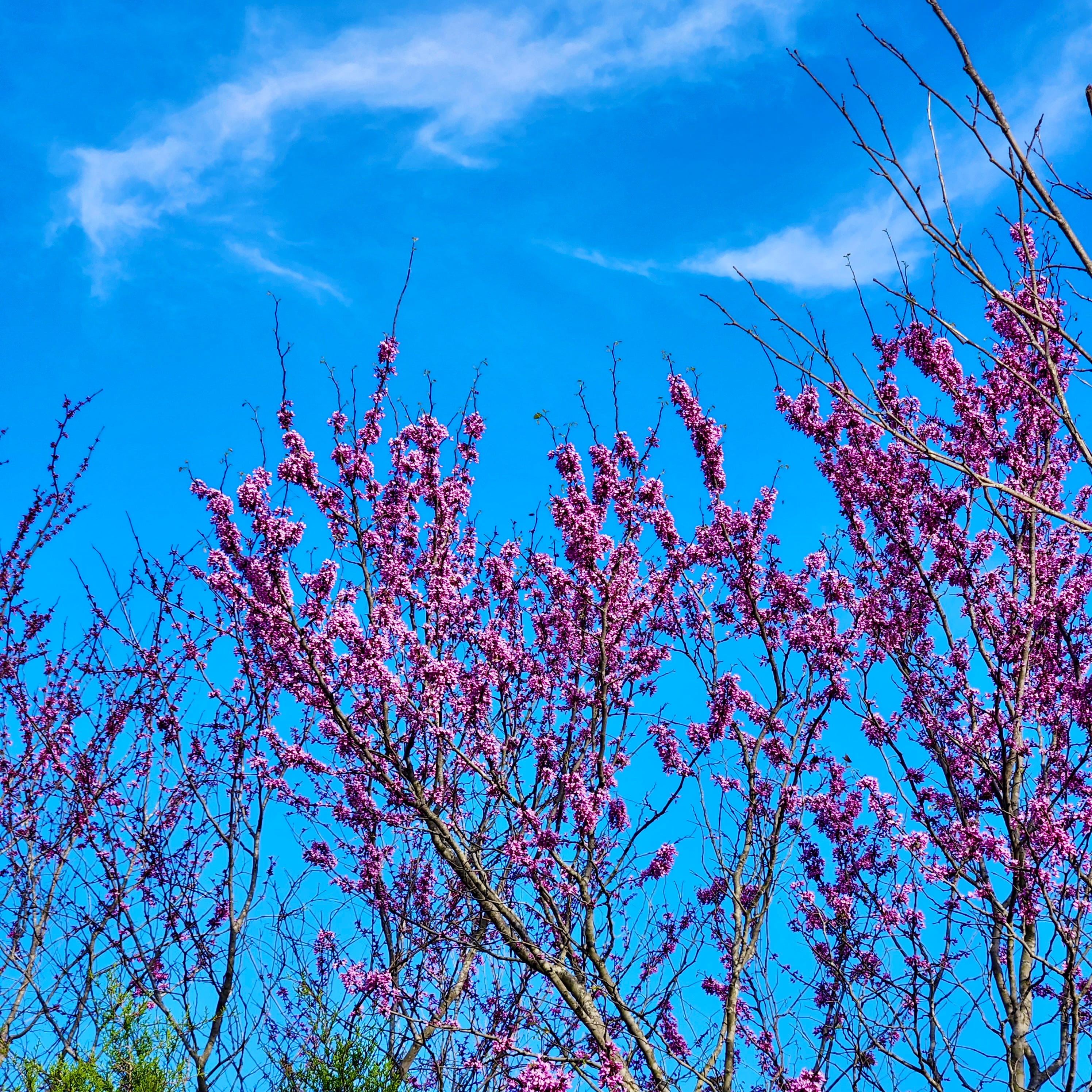
So it begins again. Happy spring! May migration bring old friends to your backyard.
***
As an April bonus, please enjoy the first issue of The Skybridge Review, featuring Tyler’s essay California is Russia. It’s not about birds, but it is about beauty.
Thanks for this and for the link to Tyler's essay! Can you tell me which binoculars you like best for birding?
the excruciating delight of revisiting old journals. more please?! i didn't know skinny jeans rachel though im sure i would have loved her. just like ole tyler-hark at him. that trademark cynicism just flaps in the breeze in the face of his earnest and unabashed uxoriousness. we're all right there with you, dude. and for the record, I'll take Rachel in her crunchy give-ups amplifying that ponderosa's majesty any damn day.